-
Call Now +86 13426858645
-
Any Questions sales@sollyd.com
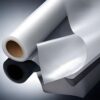
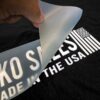

Premium TPU Hot Melt Adhesive Film for Screen Printed Heat Transfers
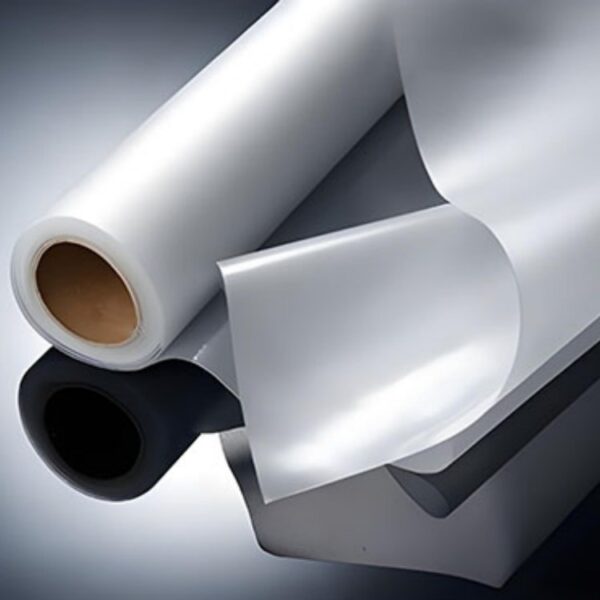
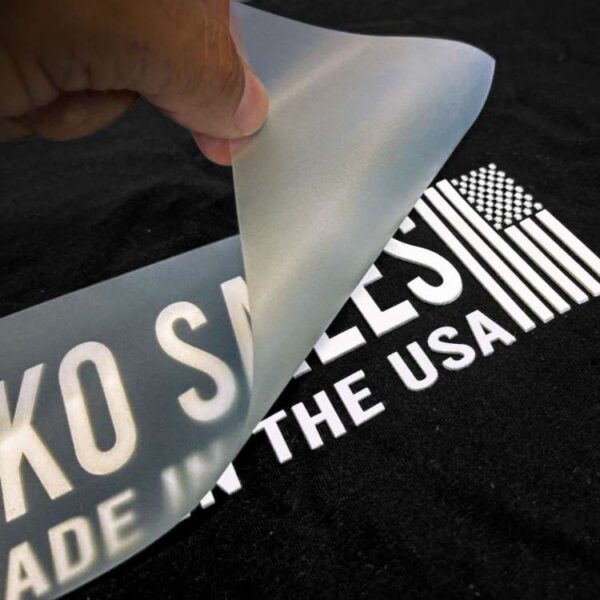
Premium TPU Hot Melt Adhesive Film ,the professional, zero-mess alternative to hot melt powders. Engineered for high-stretch sportswear and 3D silicone transfers, this OEKO-TEX certified film offers 300% elasticity, crystal-clear edges, and superior wash fastness. Perfect for seamless bonding on Lycra, Nylon, and Polyester.
- Minimum Order (MOQ): 500 KG (Standard industrial drumming)
- Sample PolicyFree : 1kg testing samples available upon request (Courier cost covered by buyer).
- Lead Time: 7–15 business days depending on order volume and customization.
- Certifications: ISO 9001, REACH, and GRS Compliant (Eco-friendly, Low VOC).
Extruded TPU Hot Melt Adhesive Film for Heat Transfers
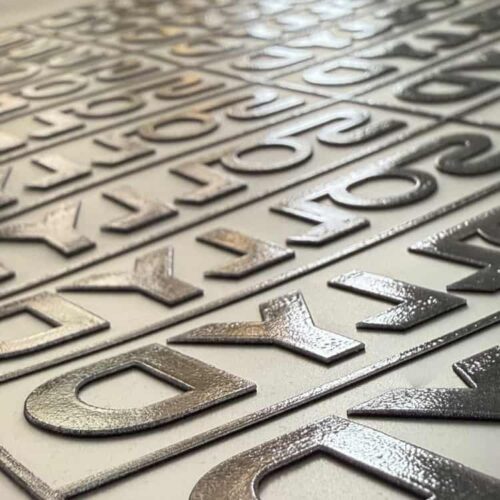
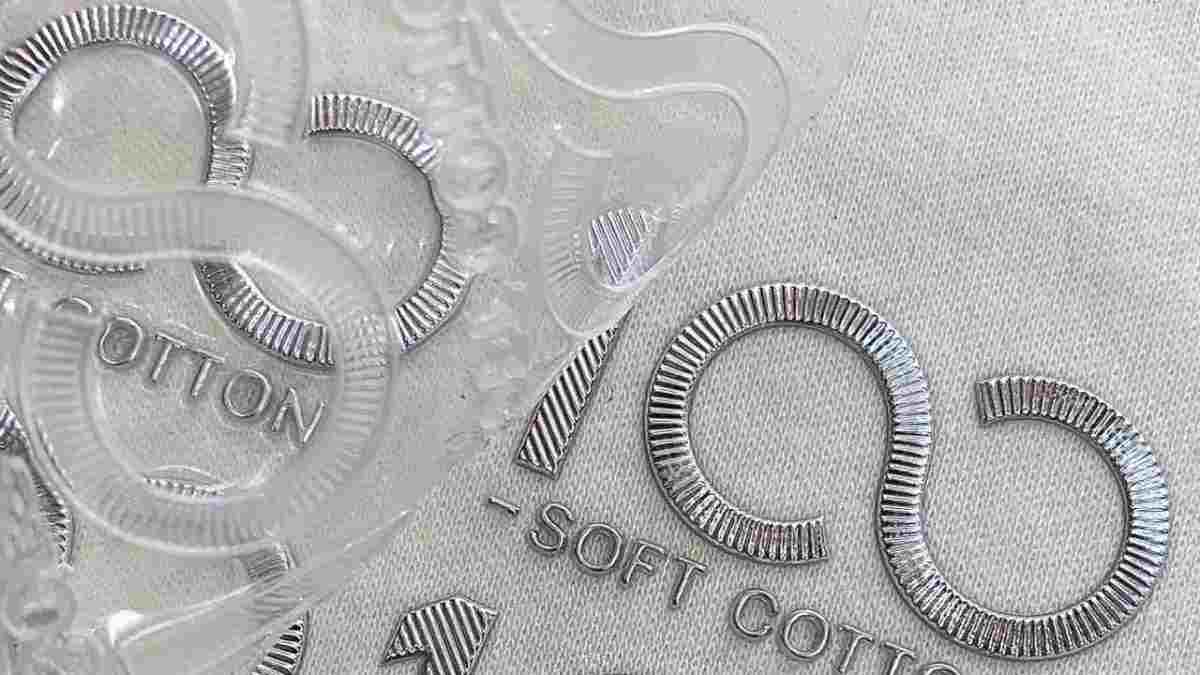
Engineered for precision textile bonding, our extruded Thermoplastic Polyurethane (TPU) Hot Melt Adhesive Film provides a strictly uniform adhesive layer for high-end heat transfers.
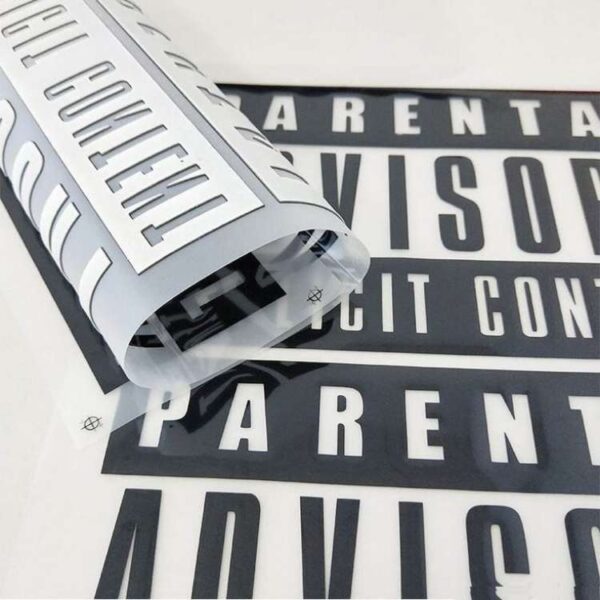
By replacing traditional powder methods, this continuous film eliminates airborne particulate contamination and visible haloing on dark substrates while guaranteeing consistent coating weights. It is fully compatible with silicone, water-based, and plastisol ink systems. During secondary processing, the film ensures clean, fray-free edge definition under high-speed die-cutting and laser-cutting equipment. The specific TPU formulation delivers high mechanical elongation and reliable wash fastness, providing the structural stability and soft-hand feel critical for activewear, swimwear, and tagless apparel labels.
Contact our engineering team for technical data sheets and custom film parameters.
Key Features & Performance
Delivering strict coating uniformity, structural recovery, and clean manufacturing for professional textile branding.
Consistent Adhesive Thickness
Our extruded film provides a strictly controlled coating weight across the substrate. By replacing inconsistent powder applications, it eliminates localized delamination and ensures reliable bonding across the entire transfer area.
High Elongation & Structural Recovery
Engineered to accommodate high-compression textiles like Spandex and Lycra. The TPU polymer stretches dynamically with the fabric and recovers its shape, preventing structural fracturing in the overlying printed ink layer.
Precision Cutting & Tactile Integration
Optimized for high-speed laser and digital die-cutting equipment without fraying. It prevents adhesive migration beyond the design perimeter while penetrating fabric fibers to deliver the low-profile, soft-hand feel required for tagless labels.
Particulate-Free Processing
Transitioning to a continuous film eliminates airborne powder contamination. This improves factory EHS (Environment, Health, and Safety) conditions and significantly reduces maintenance downtime caused by dust fouling on printing equipment.
Technical Identity & Compliance
| Property | Value / Description |
| Product Name | Thermoplastic Polyurethane (TPU) Hot Melt Adhesive Film |
| Synonyms | TPU Transfer Web, Heat Transfer Glue Film, Iron-on Adhesive Film, Seamless Bonding Film. |
| Base Material | 100% Polyurethane Elastomer |
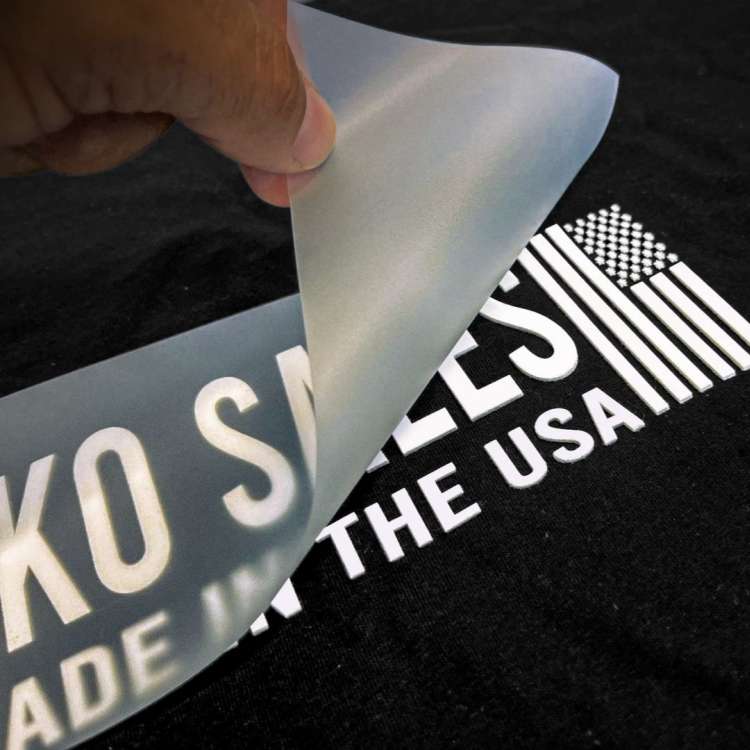
| Appearance | Translucent / Frosted Film (with or without release paper) |
| Thickness Range | 0.05mm, 0.10mm, 0.15mm (Customizable up to 0.20mm) |
| Melting Point | 110°C – 120°C (230°F – 248°F) |
| Pressing Temperature | 130°C – 150°C (266°F – 302°F) |
| Pressing Time | 10 – 15 Seconds (Medium to Firm Pressure: 4-6 Bar) |
| Wash Fastness | 60°C (140°F) Home Wash; Excellent Dry Cleaning resistance |
| Elongation at Break | > 300% |
| CAS No. | 9009-54-5 (Polyurethane) |
| EINECS | Polymer Exempt |
| HS Code | 3920999090 (Other plates, sheets, film of plastics) |
| Certifications | OEKO-TEX Standard 100 (Class I – Babywear Safe), ZDHC Level 3, SGS Tested, Zero VOCs, Halogen-Free, Formaldehyde-Free. |
| Packaging | Each roll is sealed in a moisture-barrier PE bag, suspended in a heavy-duty corrugated box to prevent pressure marks. |
| Storage | Store in a dry, ventilated warehouse (10°C – 30°C). CRITICAL: Keep away from direct sunlight and high-humidity environments. Moisture can cause the film to bubble during the heat press. Shelf Life: 24 Months. |
| Safety Information | 100% solid state, zero volatile organic compounds (VOCs). Non-hazardous for global air and sea shipping. |
Operational Process: How to Integrate with Screen Printing
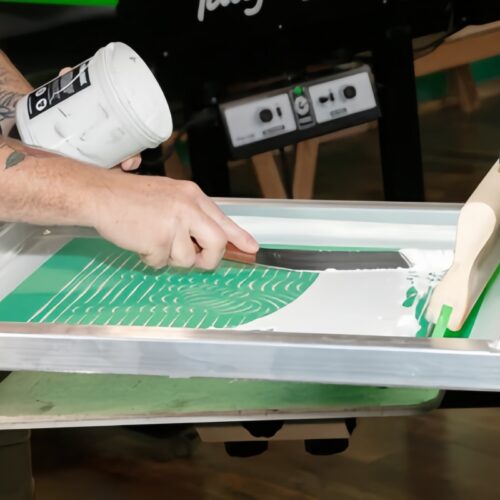
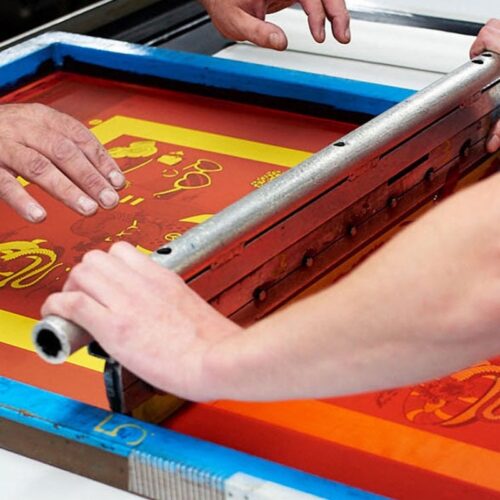
Transitioning from powder to film requires a laminating step. Follow this professional B2B workflow for Heat Transfers:
1.Screen Printing & Printing the Primer (Crucial)
Print your design (colors, white underbase) in reverse onto a PET Release Film.
Screen print a layer of Water-Based or Silicone Transfer Adhesive/Linker over the entire design.
2.Lamination (Applying the TPU Film):
While the printed primer is still wet or in a “gel state”, place the TPU Hot Melt Film over it.
Run the sheet through a roll laminator (at around 80°C – 100°C) or lightly heat press it to tack the film to the wet ink.
3.Final Curing
Run the laminated sheet through a tunnel dryer (approx. 120°C for 2 mins) to fully cross-link the primer to the TPU film.
4.Cutting & Final Heat Press (To Garment)
Run the laminated sheet through a tunnel dryer (approx. 120°C for 2 mins) to fully cross-link the primer to the TPU film.
Press the finished transfer onto the t-shirt at 130°C-150°C for 10-15 seconds. Cold or Warm peel the PET carrier.
Applications & Fabrics
Designed for the most demanding textile bonding applications in the B2B apparel sector.
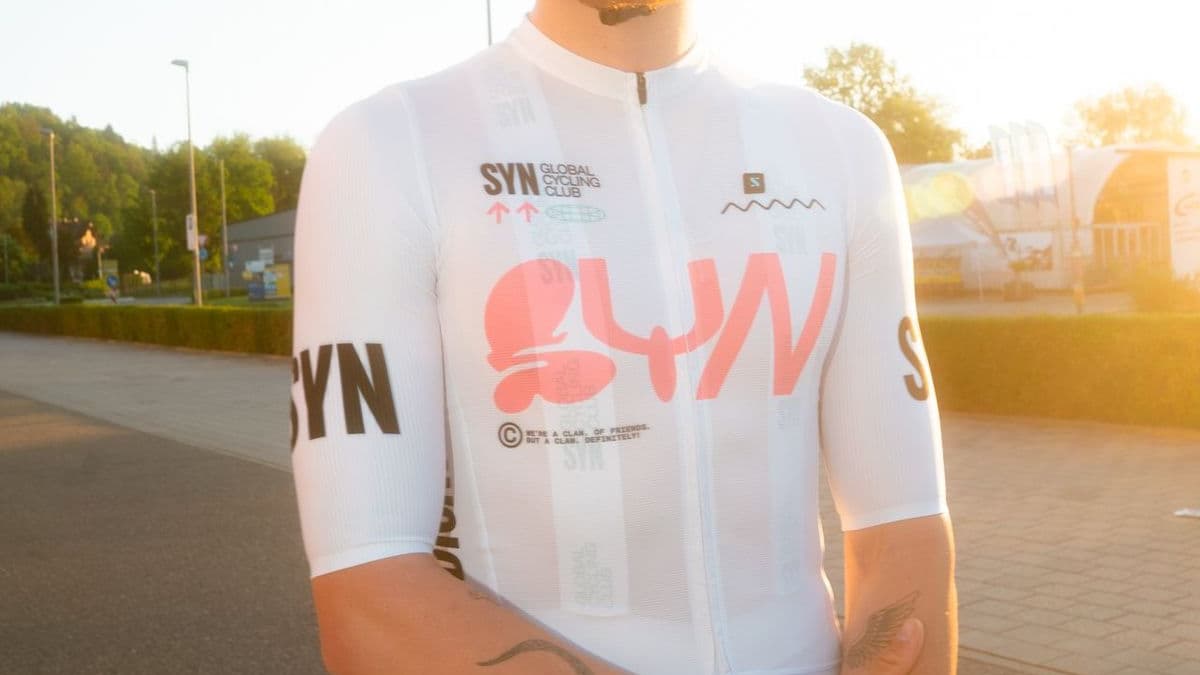
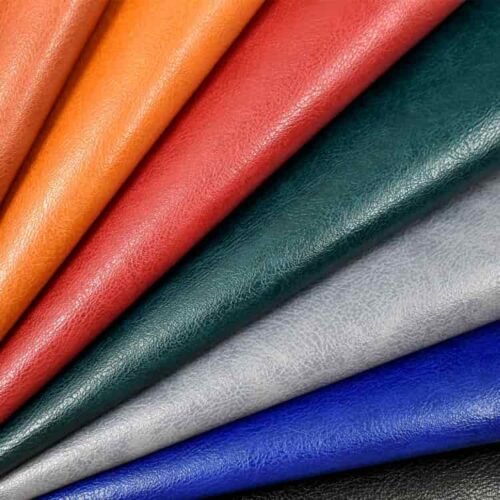
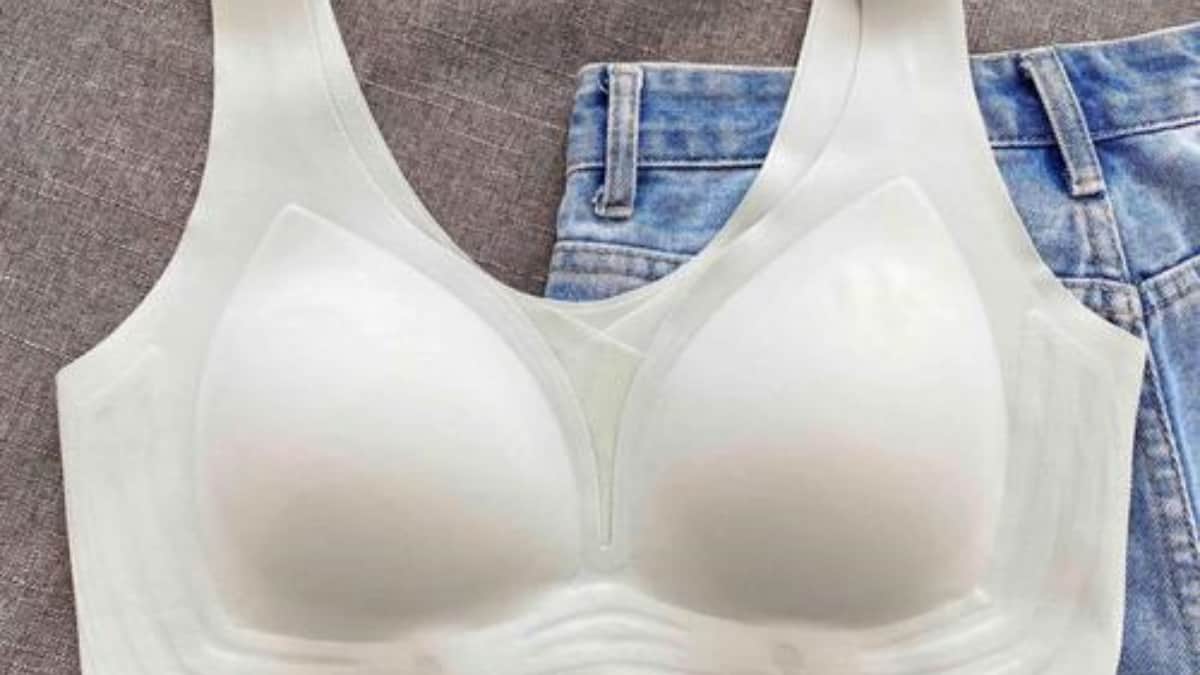
High-stretch Lycra
Deep-fiber penetration ensures a seamless anchor between 3D KPU moldings and porous knits without compromising the fabric’s natural breathability.
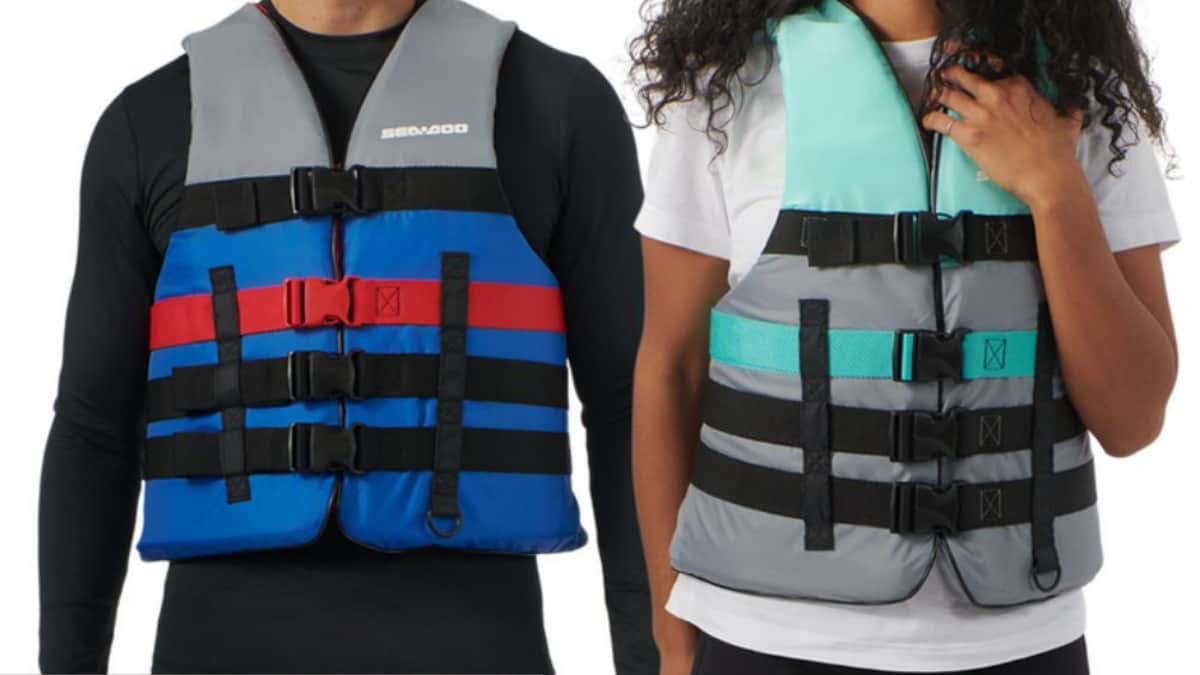
Spandex
Superior wetting properties overcome the low surface energy of nylon, creating a high-tenacity chemical bridge that prevents edge-peeling under stress.
Nylon
The low-temperature activation prevents dye migration (bleeding) while maintaining a permanent, flexible bond that moves with synthetic fibers.
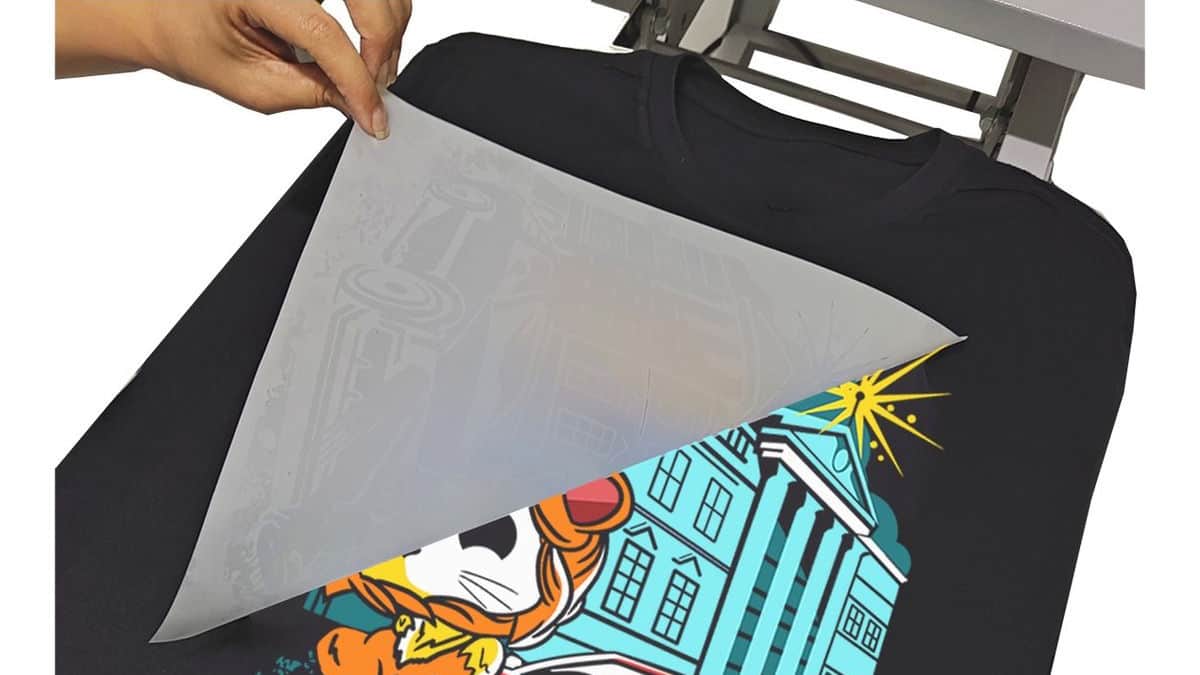
Polyester
High-elongation polymer technology allows the bond to stretch in perfect sync with elastic fibers, preventing cracking or delamination during movement.
Cotton
Provides a stable foundation on technical performance fabrics, ensuring decorative 3D elements adhere firmly even on treated, wind-resistant surfaces.
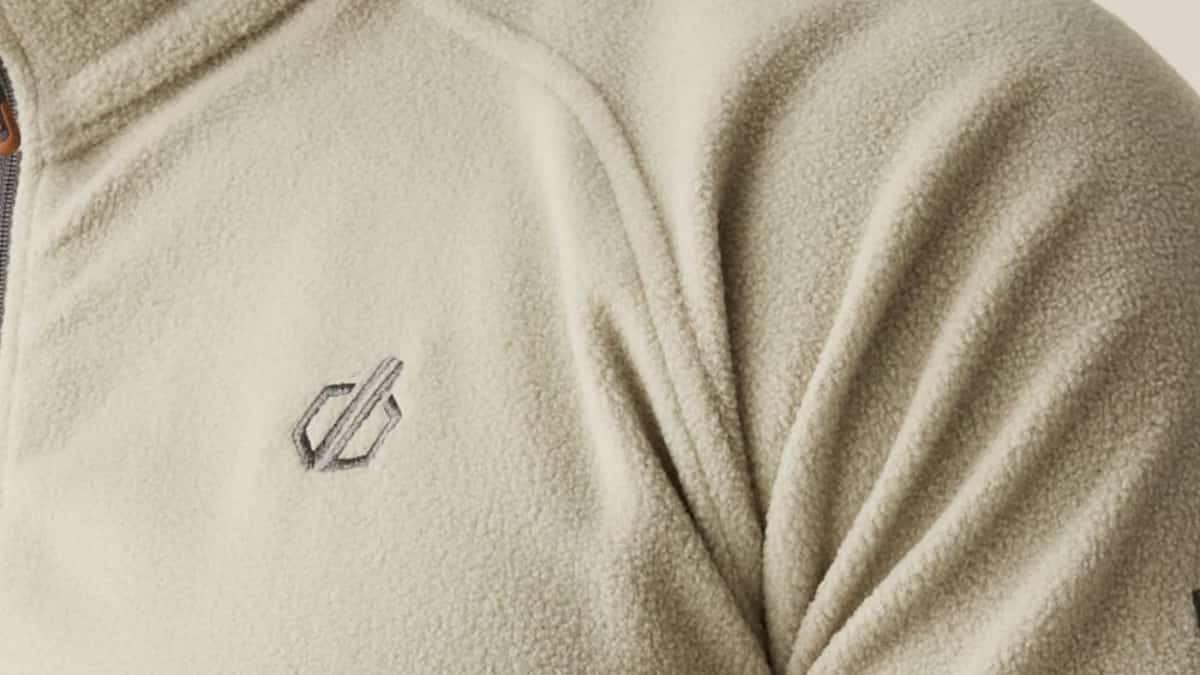
Softshell
Provides a stable foundation on technical performance fabrics, ensuring decorative 3D elements adhere firmly even on treated, wind-resistant surfaces.
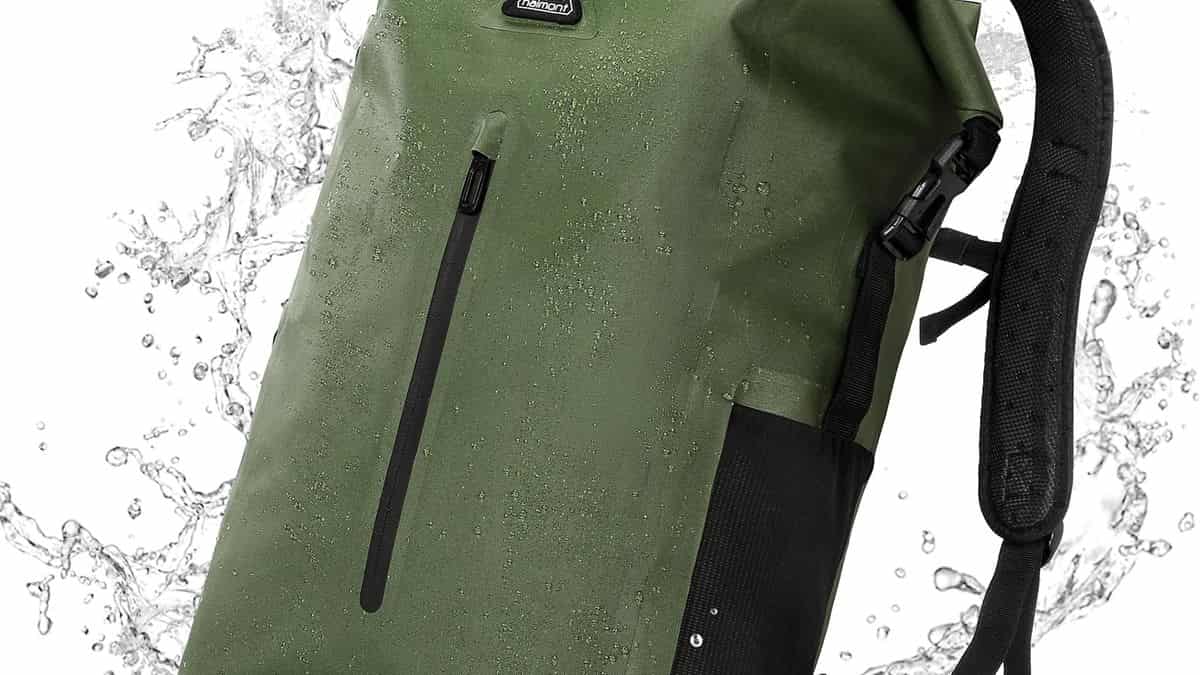
Waterproof fabrics (with appropriate linker)
Provides a stable foundation on technical performance fabrics, ensuring decorative 3D elements adhere firmly even on treated, wind-resistant surfaces.
We are Proud to Partner with These Brands
We have worked with








Buying Guide: Pain Points & Solutions
We understand our customers’ pain points and purchasing concerns.
Comparison: TPU Film vs. Hot Melt Powder vs. PES Film
| Feature | Our TPU Film | Hot Melt Powder (TPU/PA) | PES Hot Melt Film |
| Application Cleanliness | ★★★★★ (Zero mess) | ★ (Airborne dust, messy) | ★★★★★ (Zero mess) |
| Edge Sharpness | Laser-sharp, perfect | Often leaves white powder halos | Laser-sharp |
| Elasticity | ★★★★★ (Moves with Spandex) | ★★★ (Moderate) | ★★ (Rigid, poor stretch) |
| Thickness Control | 100% Exact | Varies by operator skill | 100% Exact |
| Best For | Sportswear, Swimwear, Lycra | Basic Cotton T-shirts | Stiff badges, Denim |
Customer Case Study
A manufacturer producing 3D silicone heat transfers for athletic wear faced quality inconsistencies with traditional hot melt powder. The powder application resulted in adhesive migration (visible residue on dark substrates) and compromised the soft-hand feel. Furthermore, the powder-based adhesive layer frequently fractured under cyclic stretching on high-compression garments.
Material Solution:Our engineering team facilitated a production transition to our 0.10mm High-Elongation TPU Hot Melt Film to replace their existing powder coating process.
Verified Outcomes:
Precise Edge Definition: Resolved the powder scattering issue, providing clean, consistent perimeter lines during the secondary laser-cutting process.
Dynamic Flexibility: The specific TPU formulation accommodated demanding 4-way stretch requirements, maintaining structural integrity without cracking under high-elongation stress.
EHS Audit Compliance: Mitigated airborne particulate contamination on the factory floor, directly supporting the facility in meeting stringent European environmental and workplace safety audits.
FAQ – Troubleshooting
Q1: Do I need to buy TPU film with paper backing or without?
A: If you are using an automatic roll-to-roll laminator inline with your screen printing press, unbacked film is usually more cost-effective. If you are cutting the film into sheets and applying it manually with a heat press, you need the paper-backed (supported) film so it doesn’t stick to your upper heat platen.
Q2: Can I use PES or PA film instead of TPU for sportswear?
A: We do not recommend it. PES (Polyester) and PA (Polyamide) hot melt films have excellent wash fastness but very low elasticity. If you apply them to high-stretch sportswear (Lycra/Spandex), the adhesive layer will snap and crack when the athlete moves. TPU is the only choice for stretch fabrics.
Q3: Why is my TPU film bubbling when I heat press it onto the garment?
A: Bubbling is almost always caused by moisture trap. Either the TPU film absorbed humidity during storage, or your garment has a high moisture content. Pre-press your blank garment for 3 seconds to evaporate moisture before applying the transfer.
Q4: Is TPU film breathable?
A: Standard continuous TPU film acts as a solid moisture barrier. However, for applications requiring high breathability (like large sports numbers), we manufacture a Perforated TPU Film or a breathable web structure upon request.
Q5: Does standard clear TPU hot melt film block dye migration on sublimated polyester sportswear?
A: No. Standard clear TPU film is engineered for elasticity and adhesion, not for blocking dyes. If you apply a clear TPU-backed transfer onto sublimated polyester, the disperse dyes will eventually turn into a gas and migrate straight through the TPU, staining your white printed logo pink. To prevent this, you must either screen print an Anti-Migration Blocker (Carbon-based) layer before laminating the clear film, or request our specialized Black/Grey Anti-Migration TPU Film, which contains active carbon blockers to stop dye sublimation completely.
Q6: Why did my TPU-backed heat transfer peel off the garment after the very first wash?
A: If the TPU film bonded perfectly to your printed ink but separated from the t-shirt, it usually comes down to two issues: Under-pressing or Fabric Coatings.