-
Call Now +86 13426858645
-
Any Questions sales@sollyd.com
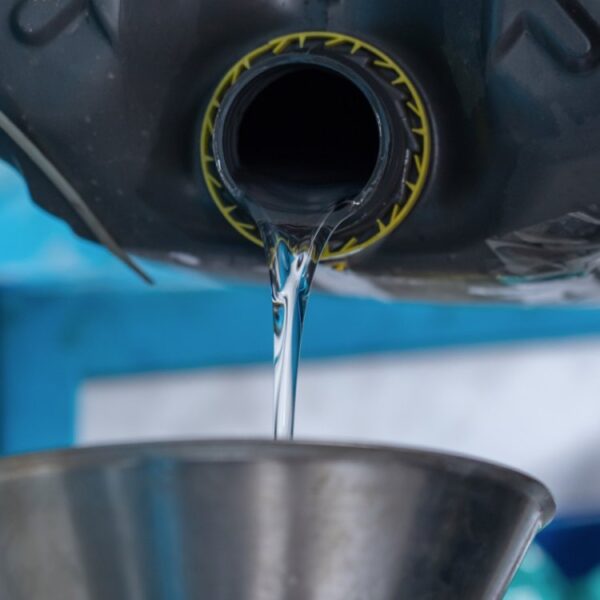
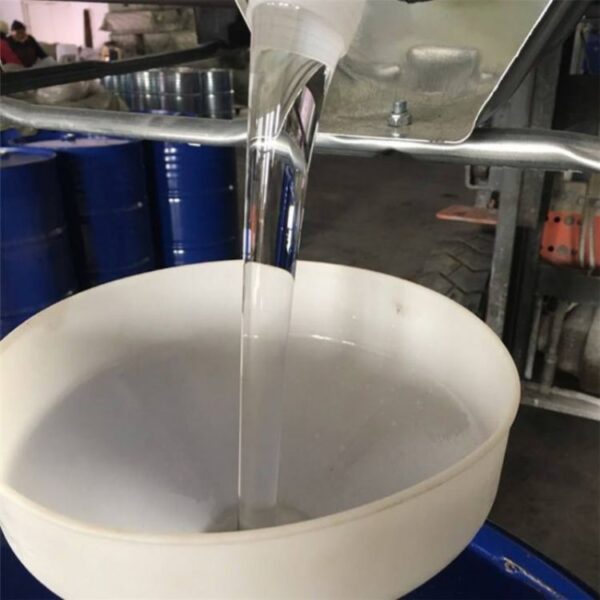
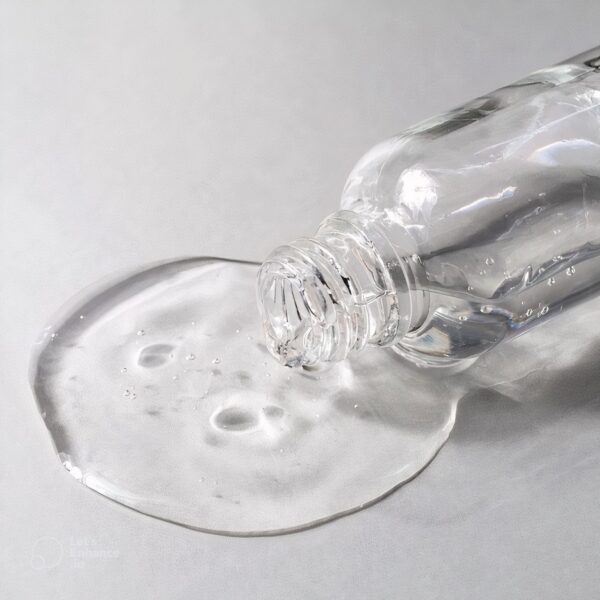

Pure PDMS Silicone Oil (Polydimethylsiloxane) | 50 – 100,000 cSt
Industrial-grade Polydimethylsiloxane (PDMS) fluid engineered for broad thermal stability (-50°C to +200°C), chemical inertness, and elastomer compatibility. Supplied in bulk to support high-volume automotive formulation, textile processing, and mechanical lubrication.
- MOQ: 20 KG (Flexible for first-time trial orders)
- Shipping Time:
In Stock: 2-4 business days.
Bulk/Custom Blends: 7-15 business days depending on volume and viscosity requirements. - Documentation: Full MSDS, TDS, and COA (Certificate of Analysis) provided with every batch for quality traceability
- Packaging Options: 1L/5L/25L Jerrycans, 200L Iron Drums, or 1,000L IBC Totes. Custom private labeling (OEM) available
Industrial-Grade PDMS Silicone Oil
Whether you’re compounding automotive polishes, formulating heavy-duty lubricants, or modifying textile inks, you need a dependable, inert base fluid that doesn’t break down.
As a direct manufacturer of industrial-grade PDMS, we deliver multi-purpose silicone oil with the shear stability to handle extreme heat and mechanical stress without losing its viscosity. Our fluid is crystal-clear, odorless, and non-toxic, providing an excellent water barrier and long-lasting lubrication.
To fit your exact formulation, we supply a massive viscosity range from 50 cSt all the way up to 100,000 cSt, all backed by strict batch-to-batch quality control.
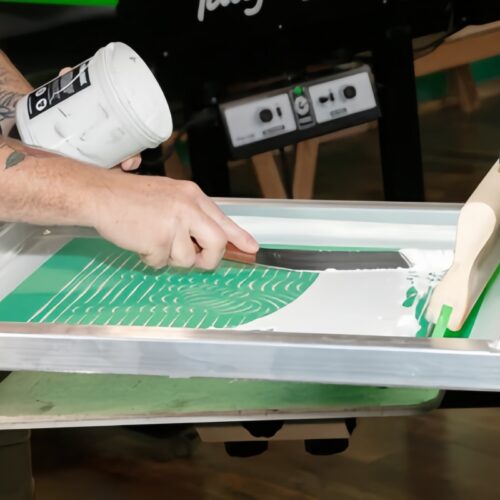
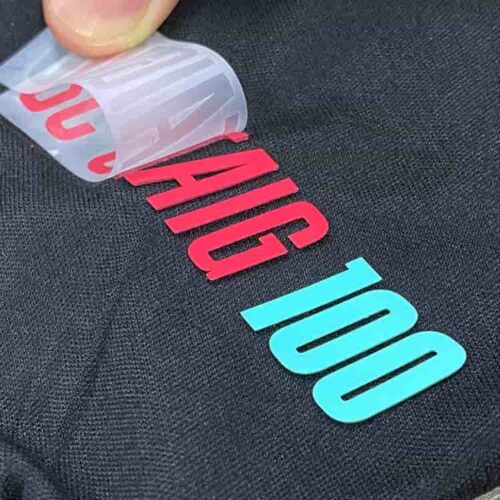
Contact us for a quote and customization of greener and softer screen printing materials.

Key Features & Performance
Engineered to deliver consistent thermal, dielectric, and chemical stability across demanding industrial applications.
Exceptional Thermal Stability
Maintains fluid integrity across wide temperature variations from -50°C to +200°C (-58°F to 392°F). Resists carbonization, oxidation, and molecular breakdown under severe thermal stress.
Polymer & Elastomer Compatibility
Demonstrates high chemical inertness. Unlike petroleum-based mineral oils or harsh solvents, this formulation prevents the swelling, cracking, or degradation of sensitive rubber O-rings, seals, and plastic gears.
Efficient Release Properties
Generates a consistent, low-surface-tension micro-film. This non-stick characteristic functions as an effective active ingredient for industrial mold release formulations.
High Dielectric Strength & Hydrophobicity
Functions as a reliable electrical insulator, suitable for motor maintenance and electronic potting applications. Its inherently hydrophobic nature displaces moisture, offering durable rust and corrosion protection for metal surfaces.
Key Features & Performance
| Property | Value / Description |
| Product Name | Polydimethylsiloxane (PDMS) / Dimethyl Silicone Fluid |
| Synonyms | Dimethicone, Silicone Lubricant, Release Fluid, Thermal Fluid, Damping Oil |
| Appearance | Crystal Clear, Colorless, Odorless Liquid |
| Viscosity | 150,000 – 250,000 cps (Screen-printable) |
| Viscosities Available | 10 cSt to 100,000+ cSt (Centistokes) |
| Specific Gravity | 0.96 – 0.98 g/cm³ @ 25°C (Depending on viscosity) |
| Flash Point | > 300°C (For viscosities > 50 cSt) – Highly safe |
| Pour Point | < -50°C (Remains fluid in freezing temperatures) |
| Refractive Index | ~ 1.403 |
| Volatility | Virtually zero (Non-evaporating) |
| CAS No. | 63148-62-9 |
| EINECS | Polymer Exempt |
| HS Code | 3910000000 (Silicones in primary forms) |
| Certifications | REACH Compliant (EU), RoHS, ZDHC Level 3, 100% VOC-Free, Heavy-Metal Free, Non-Ozone Depleting. |
| Packaging | 1L / 5L / 20L / 25L Plastic Jerrycans (Ideal for gyms, small workshops). 200L Iron Drums (For manufacturing and blending plants). 1000L IBC Totes (For large-scale industrial use). |
| Storage | Store in a dry, ventilated area at room temperature. Keep containers tightly closed. Highly stable with a shelf life of up to 36 Months. |
| Safety Information | Non-toxic, non-corrosive, non-flammable (for standard viscosities). Environmentally inert. (Comprehensive MSDS and COA provided upon request). |
Applications by Industry
Silicone oil’s application is determined by its thickness (Viscosity / cSt). Here is how our clients use it across different sectors:
10 cSt – 50 cSt (Ultra-Thin)
Screen Printing & Inks: Used as a viscosity reducer/thinner for liquid silicone inks to improve flow and eliminate bubbles.
Cosmetics: Base fluid for skin creams and hair serums (Dimethicone).
350 cSt (Industry Standard Medium)
Automotive Car Care: The primary active ingredient in tire shines, dashboard polishes, and ceramic coating formulations.
Treadmill & Fitness: The global standard lubricant for treadmill running belts. Reduces friction and motor strain.
Mold Release Agent: Used directly or emulsified for demolding rubber, plastic, and EVA foam parts.
1,000 cSt (Thick / Heavy)
Heat Transfer Fluid: Used in industrial baths and lab equipment requiring stable thermal heating.
Sewing & Textiles: Thread lubrication to prevent breakage at high speeds.
10,000+ cSt (Ultra-Thick / Gel-like)
Damping Fluid: Used in automotive shock absorbers, heavy-duty gauges, and soft-close furniture hinges.
We are Proud to Partner with These Brands
We have worked with








Buying Guide: Pain Points & Solutions
We understand our customers’ pain points and purchasing concerns.

Process Issue: Carbon residue accumulation from conventional mold release agents on plastic injection molds.
Material Solution: Our PDMS fluid provides stable thermal performance with a flash point exceeding 300°C. It resists carbonization and smoking under processing temperatures, effectively preventing hard residue buildup on metal tooling. By maintaining mold cleanliness, this fluid application reduces machine downtime required for maintenance cleaning by up to 60%.

Formulation Issue: Rapid evaporation and premature gloss degradation in automotive tire shine formulations.
Material Solution: The rapid evaporation is typical of highly volatile solvents. By blending our 350 cSt or 1000 cSt silicone oils into your car care formulas, the higher molecular weight of these specific fluid grades improves surface adhesion and stability. This mechanism prevents premature drying, extending gloss retention on rubber substrates from a single day to several weeks.
Comparison: 100% Pure Silicone Oil vs. Alternatives
| Feature | Our 100% Pure Silicone Oil | Mineral Oil (Petroleum) | Standard Aerosol Lubricants |
| Rubber/Plastic Safety | ★★★★★ (100% Safe, preserves rubber) | ★ (Swells and destroys rubber) | ★★ (Often contains harsh solvents) |
| Temperature Range | Extreme (-50°C to 200°C) | Narrow (Burns/smokes at high heat) | Evaporates quickly |
| Lifespan | Months to Years (Non-volatile) | Days to Weeks | Hours to Days |
| Residue | Clean, clear micro-film | Sticky, attracts dust | Leaves a greasy sludge |

Customer Case Study
Client: A Leading Fitness Equipment Manufacturer (UK).
Technical Challenge: A manufacturer experienced field failures within six months of deployment. The root cause was chemical incompatibility: their previous petroleum-based lubricant degraded the PVC and rubber running belts, resulting in severe sticking and premature drive motor burnout.
Material Solution: The factory transitioned to our 350 cSt Silicone Oil as the standard fluid for both initial factory-fill and ongoing end-user maintenance.
Verified Outcomes:
Zero Material Degradation: The chemically inert silicone fluid completely prevented the breakdown of PVC and rubber belt substrates.
40% Friction Reduction: Lowered operational resistance, significantly extending the mechanical lifespan of the drive motors.
Extended Service Intervals: Increased the required maintenance cycle from every 3 months to every 12 months, drastically reducing ongoing service costs for end-users.
FAQ – Troubleshooting
Q1: How do I choose the right viscosity (cSt) for my application?
A: Viscosity is simply the “thickness” of the oil. As a general rule: use 50 cSt for thinning inks or fine spray applications; 350 cSt for general lubrication, treadmills, and car polish; 1000 cSt for heavy-duty thermal fluids; and 10,000+ cSt for mechanical damping (shock absorbers). Contact our engineers if you need a custom blend.
Q2: Will this silicone oil damage the O-rings or seals in my machinery?
A: No. One of the greatest advantages of 100% pure PDMS silicone oil is that it is completely inert to almost all rubbers and plastics (including EPDM, Neoprene, and Nitrile). It actually conditions and preserves rubber, preventing it from drying out and cracking.
Q3: Can I paint or glue a surface after applying this silicone oil to it?
A: Proceed with extreme caution. Silicone oil creates an incredibly slick, non-stick barrier. If you use this as a mold release agent on a plastic part, you must thoroughly wash the part with a strong degreaser before attempting to paint, print, or glue it. Otherwise, the paint/glue will separate (a defect known as “fish-eying”).
Q4: Is this product Food Grade?
A: Our standard industrial PDMS is highly pure and non-toxic. However, if your manufacturing process involves direct food contact (e.g., lubricating food conveyor belts or baking molds), please specify this to our sales team so we can supply our NSF H1 Certified Food-Grade Silicone Oil.
Q5: Can I mix this 100% pure silicone oil with water to create a sprayable lubricant or mold release?
A: No, 100% pure PDMS is strictly hydrophobic (water-repellent) and will instantly separate from water. To create a water-based spray for your factory, you have two options: you can either blend this pure oil with surfactants to emulsify it yourself, or you can purchase our ready-to-use Silicone Oil Emulsion (typically 35% or 60% active). However, if you are formulating a solvent-based spray, this pure silicone fluid is fully miscible with standard non-polar solvents like mineral spirits or hexane.
Q6: Is this silicone fluid safe to use in high-temperature injection molding or metal die-casting machines?
A: Yes. One of the defining characteristics of pure PDMS is its exceptional thermal stability. Standard industrial viscosities (50 cSt and above) feature a Flash Point exceeding 300°C (572°F). Unlike petroleum-based mineral oils that smoke, carbonize, and leave hard, resinous deposits on your expensive molds under high heat, our silicone oil maintains its integrity. It ensures a clean release every time, drastically reducing your mold maintenance and cleaning downtime.
Get Started Today
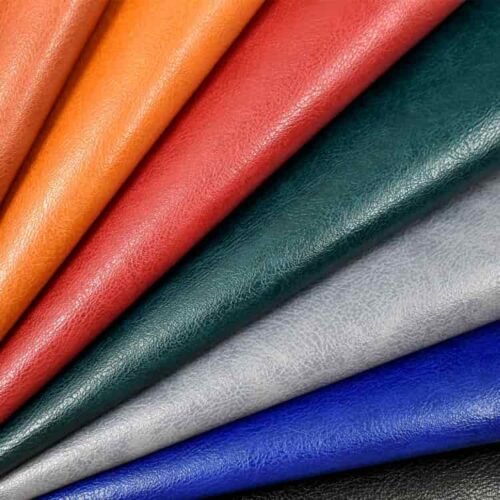
We specialize in engineered polymer solutions for global manufacturers and brands. As a vertically integrated facility, we offer everything from raw Liquid Silicone Rubber (LSR) to high-performance Silicone Inks, Plastisol Ink, and Organic Silicone Leathers. Simply provide your substrate details, performance standards, or printing challenges, and our lab will handle the rest—from custom formulation to stable bulk production.
We offer highly competitive factory-direct pricing (MOQ 100 kg for custom formulations) and secure global supply chains. Our materials are trusted across diverse applications, including high-stretch sportswear, seamless intimates, automotive interiors, and industrial molding.
Don’t see exactly what you need in our standard catalog? Let’s innovate together. Share your exact technical requirements below, and our R&D team will develop a tailored chemical formula designed perfectly for your production line.
· Custom Color Matching & Formula Development Available
· Sample Testing Support
· Sample Lead Time: 3–7 Days
· Bulk Lead Time: 2–4 Weeks